Small paths, quiet places
Not every scenic reward demands a vast horizon. Some of the most peaceful hours are spent in small hollows: an ancient moss clearing under English oaks, a sunlit clearing in Fontainebleau, or an olive terrace in Tuscany.
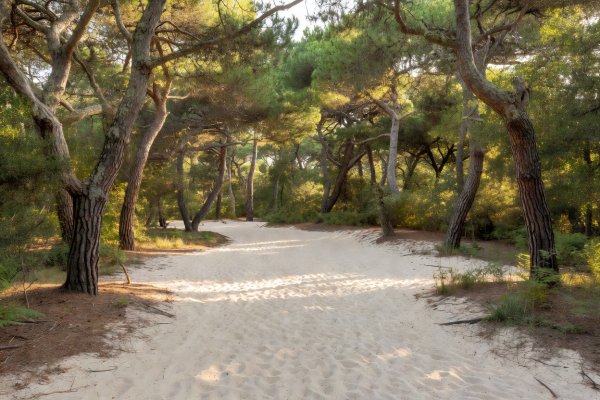
The Sand Glades of Fontainebleau (Gorges d'Apremont)
Just fifty minutes south of Paris lies an astonishing natural anomaly: pale quartz sands and sculpted sandstone boulders nestled beneath aromatic maritime pines and ancient oaks. Far from crowded bouldering circuits, the gentle clearing at Apremont feels like an inland beach where fine dry sand provides clean, cushioned seating without damp earth or stubborn grass stains.
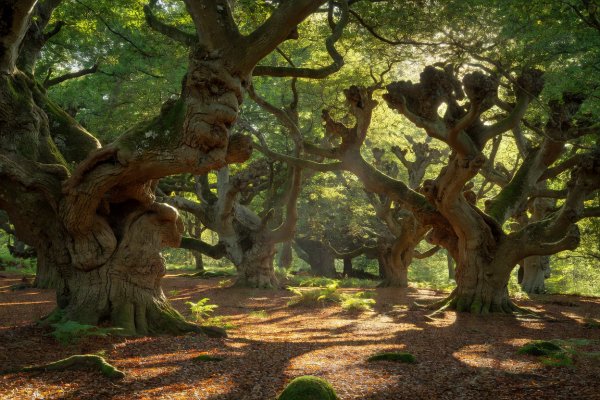
Bolderwood Ancient Pasture Woodlands
Established as a royal hunting forest by William the Conqueror in 1079, the New Forest contains some of Europe's largest surviving tracts of pasture woodland. Near Bolderwood, ancient pollarded beech and oak trees cast deep emerald canopies over short, grazed turf. Free-roaming New Forest ponies and fallow deer frequently drift through the far trees, adding gentle company to your lunch.
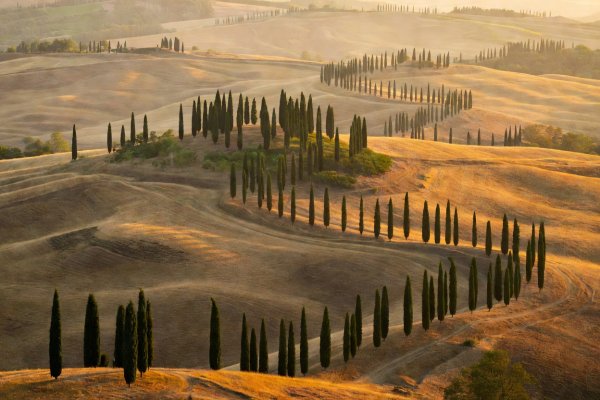
Cypress Groves of San Quirico d'Orcia
The iconic landscape of the Val d'Orcia is celebrated for its sweeping clay hills and isolated stands of Italian cypress. A few minutes off the gravel Strade Bianche near San Quirico, quiet public farm tracks climb gentle rises with panoramic views of Pienza and Mount Amiata. Sheltered beneath slender evergreen boughs, the warm aroma of wild fennel and warm earth makes an unhurried Tuscan lunch unforgettable.
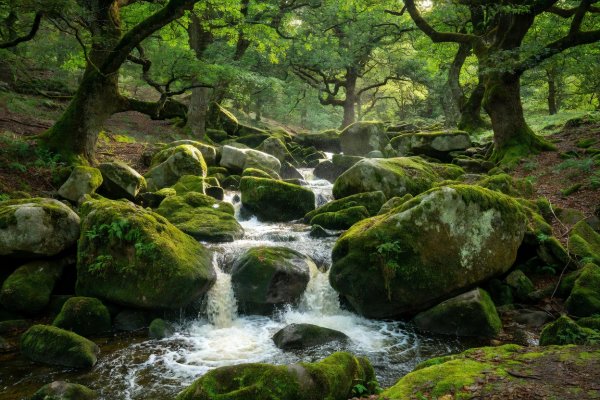
East Dart River Valley & Bellever Forest
While Dartmoor's exposed granite tors face fierce Atlantic gales, its sunken river valleys provide exceptional, tranquil shelter. Along the East Dart River near Bellever, giant moss-covered granite boulders emerge from ancient gravel shallows. Towering Scots pines shield you from drizzle, while the rhythmic tumble of clean peat-tinged water provides peaceful natural acoustics.
Finding Your Own Quiet Spot
While our guide highlights verified places, the most rewarding picnic spots are often discovered through your own curious exploration. When scouting a quiet natural sanctuary on topographic maps, look for these three subtle landscape indicators:
- Contours showing shallow natural amphitheatres: A gentle U-shaped depression facing south or south-east shields you from westerly winds while gathering natural sunlight.
- Public rights of way that run parallel to field margins: Hedges, ancient stone dykes, and woodland edges offer natural windbreaks and dry ground, as tree root networks draw surplus moisture from the soil.
- Proximity to small spring-fed brooks rather than major rivers: Headwaters lack the industrial traffic, tourist boats, and crowds often found near wide waterways.